


Unydos, as a Colombian non-profit organization, rejects traditional welfare models and invests in self-reliance through integral development programs. The Unydos Foundation in Bogotá addresses generational poverty in Colombia by implementing structured programs that simultaneously meet multiple needs.
Colombian non-profits are breaking generational poverty through comprehensive programs that address education, nutrition and family support—creating lasting change rather than temporary relief.
Generational poverty persists in Colombia because three critical barriers prevent families from achieving self-reliance: unequal access to quality education, unstable home environments with malnutrition and limited employment opportunities for youth. Colombian non-profit organizations confront these root causes daily through targeted interventions that address multiple needs simultaneously.
How Education Breaks the Cycle of Poverty
Education breaks the cycle of poverty by acting as the “great equalizer,” providing individuals with the knowledge and skills necessary for economic mobility and generational advancement. These are the four key mechanisms that keep education as one of the most important investments for reversing poverty.
- Increased earning potential: Education directly correlates with higher wages and better employment opportunities. Additional schooling can increase individual earnings significantly, moving families out of low-wage traps.
- Improved Health and Stability: Educated individuals, especially women, tend to have healthier families, lower infant mortality rates and greater access to health resources, leading to reduced long-term healthcare costs and greater household stability.
- Enhanced Critical Thinking: It instills problem-solving, planning and decision-making skills—transferable abilities that improve financial literacy and life choices, ultimately reducing vulnerability to economic shocks.
- Creates a “Culture of Learning”: Educated parents are more likely to prioritize their children’s schooling, creating a supportive home environment that fosters academic success and ensures the benefits are passed down, disrupting the intergenerational transmission of poverty.
Research from UNESCO demonstrates the global impact: the world poverty rate could be more than halved if all adults completed secondary education (UNESCO Global Education Monitoring (GEM) Report and the UNESCO Institute for Statistics (UIS), 2017).

Critical thinking and decision-making skills
Quality education develops cognitive abilities that enable children to make better life choices. Critical thinking skills empower young people to:
- Analyze ways to reduce negative societal trends
- Resolve conflicts through dialogue rather than violence
- Build resilience against recruitment into harmful activities
- Process experiences and envision different futures
Educational spaces in our Non-profit Foundation provide workshops where youth learn poetry, music and territorial memory—tools for personal transformation.
Community upliftment through educated youth
Educated youth become catalysts for community transformation. Youth collectives in Colombia create opportunities for self-expression and meaningful relationships. These groups generate alternatives to violence by cleaning community spaces, commissioning art and mediating conflicts.
Colombia has achieved notable improvements in educational access among poorer segments, with the greatest attendance increases occurring among the poorest and middle-income households.
Integral Development: What Children Need Beyond Education
Colombian children seeking opportunities to flourish require comprehensive support systems that address all five pillars of integral development. Classroom learning alone cannot break generational poverty without addressing basic physical, emotional and socio-familial needs.
Nutritional foundation for cognitive growth
Daily nutrition programs create the foundation for learning success. For many children, the meal they receive at community centers provides their primary source of nutrition. Programs addressing nutritional deficiencies show remarkable success. This intervention becomes critical when many Colombian children suffer from stunting due to malnutrition.
Emotional support: building resilience and hope
Children exposed to trauma require specialized emotional support to develop resilience. Organizations provide psychological services that help children process experiences through creative activities like audio-visual content creation. These services build emotional strength—a cornerstone of integral development.
Family empowerment through skills training
Strong families create lasting transformation. Family strengthening initiatives engage children and caregivers in parenting skills training. These workshops teach:
- Non-violent conflict resolution strategies
- Positive discipline approaches
- Nutrition guidance for family health
This addresses teenagers experiencing family dysfunction, creating stable environments where children can flourish.
Protection and purpose
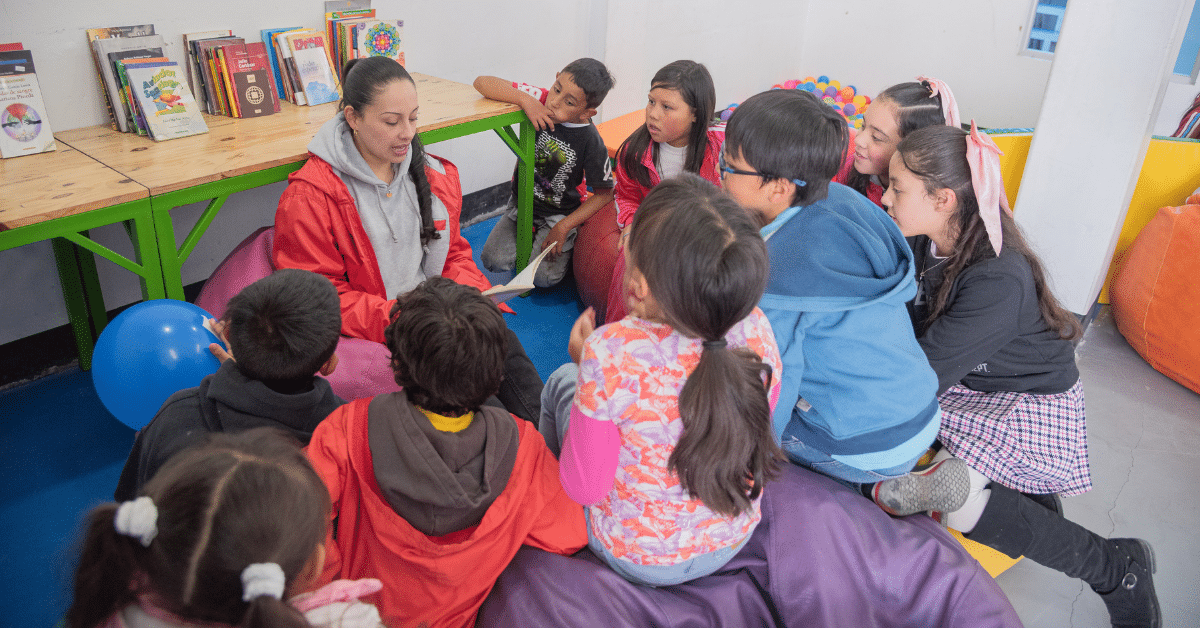
Child-friendly spaces operate in neighborhoods with high poverty and violence rates, offering protection from recruitment into armed groups. These environments allow children to express themselves through art, sports and social activities—developing purpose and discovering their potential rather than merely surviving difficult circumstances.
How Colombian Non-Profits Ensure Real Impact
Organizations like Fundación Unydos understand essential truths: hungry children cannot learn effectively and children suffering trauma require emotional support before academic progress becomes possible. Our programs address multiple needs simultaneously, creating environments where children flourish rather than merely survive.
When you support these evidence-based programs, you’re not just helping individual children—you’re investing in Colombia’s future by empowering the next generation to break free from poverty and become community leaders.
Your donation creates a lasting, measurable impact. Breaking poverty cycles benefits entire communities. Educated youth return to their neighborhoods with new skills and perspectives, creating ripple effects that elevate everyone around them. Children throughout Colombia await opportunities—regular meals, safe learning spaces and caring mentors who believe in their potential. Donate on our web page and provide these essential building blocks for their futures.
FAQs
Q1. How does education help break the cycle of poverty in Colombia?
Education opens doors to better job opportunities and a more stable income for young people in Colombia. Students who continue into higher education earn significantly more over time. Beyond income, education also builds critical thinking and problem-solving skills, helping individuals make better decisions and uplift their communities.
Q2. What kind of support do Colombian non-profits offer beyond classroom learning?
Many non-profits take a holistic approach to education. In addition to school support, they often provide daily meals, healthcare access, emotional and mental health support, parenting workshops and safe spaces where children can learn and grow. These services help address the real-life challenges children face outside the classroom.
Q3. Are there examples of Colombian non-profits making a real impact?
Yes—organizations like Fundación Unydos in Bogotá have made a meaningful difference by supporting more than 180 children and their families. Their programs focus on long-term empowerment, helping families build stability and create better futures.


